TRY THIS TOMORROW: TEACHING VOCABULARY USING LYRICAL ANALYSIS & TAYLOR SWIFT’S THE TORTURED POETS DEPARTMENT
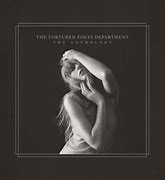 With the recent drop of The Tortured Poets Department, Taylor Swift’s lyrical genius is at an all-time high. As a resident and long-time Swiftie, many of my conversations have been around Taylor Swift and this newest album. But as I discussed all the lore surrounding Taylor, one thing kept repeatedly coming up – the vocabulary. In just one-week post-release, I have had many conversations in the group chat about what on earth “esoteric” means, or “precocious”, or “petulance” and how they add to the richness of the lyrics. Of course, as I listened, I did what any millennial with an iPhone would do when they don’t know a word, I googled them. However, this got me thinking about my students, and how I could explicitly teach vocabulary through lyrical analysis.
Start by printing off or projecting your favourite lyrics and then listening to the song (please pre-listen as some are explicit. Clean versions are all available on YouTube or Spotify). Have students follow along with the song, while viewing the lyrics. For my example, I would use “LOML”, specifically the last chorus.
“Oh, what a valiant roar
What a bland goodbye
The coward claimed he was a lion
I’m combing through the braids of lies
“I’ll never leave,” “Never mind”
Our field of dreams engulfed in fire
Your arson’s match, your somber eyes
And I’ll still see it until I die
You’re the loss of my life”
Have students pick out vocabulary that they are unfamiliar with. First see if they can solve for meaning using context clue strategies. After you have allowed them to explore a little further, explicitly teach them the vocabulary words they have picked out. The ones I would have ready to use in this section would be “valiant”, “bland”, “engulfed”, “arson”, & “somber”, but you could always go wherever your students take you on this. Students could write notes using annotation strategies right beside the lyrics or create Frayer cards using these vocabulary terms in their notebooks, with the idea that they could then use as reminders and ideas for future uses of vocabulary in their writing.
Once you have allowed students to make sense of the vocabulary in the song, have them relisten to the song to see how having a clear understanding of the vocabulary helps with their understanding of the song. This practice could be easily replicated with any of your favourite artists’ lyrics and is a sure way to engage your students who love music.