TRY THIS TOMORROW: CONNOTATION IN CONTEXT
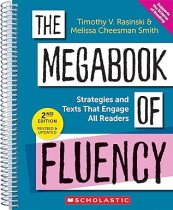 The revised and updated second edition of The Megabook of Fluency: Strategies and Texts That Engage All Readers by Timothy V. Rasinski and Melissa Cheesman Smith shares a fun strategy for emphasizing word meaning in their chapter on Teaching Expressive Fluency: It’s All in How You Say It! –an activity called Connotation in Context. This fun lesson helps students deepen their understanding of the undertones in words. Choose 6–8 words with clear positive or negative connotations and have students decide the connotation of each. Then, ask them to write a sentence that uses the word in a way that makes the connotation clear through context. Model how the same word can take on different tones depending on its use. She’s ambitious can sound admirable or critical depending on context and delivery. Students then read their sentences aloud, using tone and expression to match the connotation. If you have a copy of the book, use the Positive or Negative Connotations in Context printables that scaffold the activity.
Before diving into this lesson, explore the word connotation and preteach its morphology (con- meaning “with” and notare meaning “to mark”) as well as use sentences from a collection of mentor texts to show how writers choose words for nuance and subtle meaning. Students use connotations every day, often without realizing it. Invite students to discuss and think about words they use with different connotations (like “lit,” “goat,” or “sus”) to spark discussion of how language shapes social interactions. Have students make a list of words they often use that could have different connotations depending on context and discuss how those words change in meaning based on the situation. For more fluency-building ideas that also connect to craft like this strategy, check out The Megabook of Fluency 2nd Edition.