CRAFT STUDIO: THERE IS A RECIPE FOR GETTING OVER SOMEONE
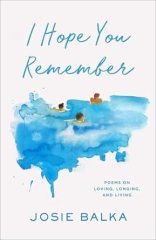 What I Was Reading:
There is a recipe for getting over someone
It’s long-winded
And lacks simplicity
And there’s always a bunch of preamble before you get to
the good part
The kind that has you saying to yourself
“Why is this so long? Just tell me what I need to do”
And once you get past the part you don’t care for
Or want to know about
Or have any interest in understanding
You get your list of ingredients and instructions
And this recipe is tedious
Lengthy
Difficult
Salty
And will be worth the effort in the end . . . it should be, anyway
It starts with a cup of denial
A fistful of sadness
A few tablespoons of anger
A piece of you that you don’t get to have back
And you have to let that marinate for a while or it just won’t turn
out properly
Once you think that’s finished
Add a pinch of regret—not too much, though, and only if you want
It’s more of a preference
A bit of confusion, to taste
And a surprising amount of realization that you’re actually going
to be okay
More than you’d ever think to add, actually
What I Notice the Writer Doing:
- The writer uses the format of a recipe to structure the poem.
- Instead of starting right away with ingredients, the poem begins with an introduction.
- The speaker talks directly to the reader, making the poem feel personal and relatable.
- Feelings like denial, sadness, anger, and confusion are treated as ingredients, helping readers picture emotions as something real and measurable.
- The language moves back and forth between practical and emotional, blending instructions with reflection.
- The ending allows room for growth rather than offering a neat or perfect conclusion.
Possibilities for Writers:
- Write a recipe poem
- Try using a familiar format (like a recipe, instructions, a checklist, or rules) to write about a personal or emotional experience, or revise a personal narrative piece by borrowing the structure of a nonfiction text.
- Begin a piece with explanation or buildup before getting to the main idea.
- Turn feelings into physical objects or ingredients to help readers understand them.
- Write directly to the reader to create connection.
- Let a piece end with reflection instead of a clear solution.