CRAFT STUDIO: THE TROUBLE WITH HEROES BY KATE MESSNER
What I was reading:
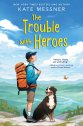 Kate Messner’s book The Trouble with Heroes follows Finn Connelly as he navigates challenges following the death of his dad. Finn is struggling in school, messing up with friends, and feeling lost. When he’s caught on camera knocking over a gravestone, he’s given a surprising deal: spend the summer climbing all 46 Adirondack High Peaks. The novel is largely in verse with a sprinkle of other formats. This particular poem caught my attention for the craft used to demonstrate what is left unsaid.
| What Minh and Jesse Write in My Yearbook (and What They Really Meant)Hey, Finn! (T’m only signing this not to be rude.)Remember when we got milkshakes after that track meet? (You only came along because your mom was working and you needed a ride.)Wish we could have hung out more. (I invited you over once. You made some weak excuse so I didn’t ask again.) ~ Minh Thanks for being a cool friend. |
Craft moves I noticed:
- Dual Voices: The “public” message vs. the “private” truth.
- Punctuation/Spacing/Italics: The parentheses, spacing and use of italics separates the notes from the perceived truth.
- Specific Details: The small details are very specific like the car ride, track etc. which make relationships feel real.
- Tone Shift: The brutal honest notes are what Finn believes to be true and how he perceives the original notes. This says more about him than the people who signed the yearbook.
Invitations for writers:
- Try writing a two-layer message: what you’d say out loud vs. what you’re really thinking.
- Use punctuation choices (parentheses, spacing, italics) to show what you think is the true message.
- Brainstorm a list of conversations where people say one thing and often mean another.
- Write common yearbook phrases and what people could really mean. (Ex. Have a great summer! (aka I don’t really know you, so I have nothing personal to write).