A TWO-IN-ONE BOOK RECOMMENDATION OF HOME BY MATT DE LA PEÑA AND LOREN LONG AND YOU DON’T KNOW WHAT WAR IS BY YEVA SKALIETSKA – A TWIST OF FATE
There’s a particular kind of magic that lives inside locally owned, independent bookstores, the kind that greets you the moment the bell over the door jingles and you step inside. My favorite bookstore has this lovely hum of quiet busyness: people browsing, pages turning, low voices chatting about books, and booksellers moving through the space, ready with a recommendation. I have a ritual whenever I visit my favorite shop: I pick out a picture book and I ask Norine, whose recommendations have never steered me wrong, what I should read next. On one such visit, I left with two books tucked under my arm: the picture book, Home by Matt De La Peña and Loren Long and a memoir, You Don’t Know What War Is: The Diary of a Young Girl from Ukraine by Yeva Skalietska. I read them together, and to my surprise, they formed a powerful, poignant pairing. They echoed one another in unexpected and moving ways.
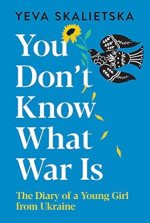 As I read, I noticed so many connections between the texts, and I’m excited to share some of those favorite moments that highlight the powerful themes of survival, home, and belonging.
In You Don’t Know What War Is, Yeva writes, “Every day, my heart gets torn into pieces as I watch what’s happening in my home country, in my hometown. Those who survive the war will never be the same as before. They will enjoy life and enjoy their days again, but only because it is a day without war. Now they know, and will forever know, what it’s like to wake up to the sounds of shelling and missiles. And what it’s like to pray for your home every day.”
In Home, the narrator says, “But a day may come when you learn how a home can be lost… Through the back window of an old truck, you watch the only home you’ve ever known grow smaller and smaller behind you. A day may come when it’s hard to find your footing, when each gust of wind threatens to sweep you up and carry you away.”
Together, these books capture the heartbreak of leaving home, whether through war or uncertain change.
Even when home is left behind, safety and belonging can still be found in the people we love. In You Don’t Know What War Is, Yeva writes, “Even when my hands would shake with fear, I knew for certain that as long as I am with Granny, she will do everything in her power to keep me safe.” Home echoes this with, “Home is not a house you leave behind but the people who walk beside you.”
These lines show that home is not just a place—it’s the relationships with the people around us that carry us through fear, change, and uncertain times.
 Both books end on a note of hope, reminding readers that even in the face of loss and uncertainty, there is strength in belief and connection. Yeva writes, “I’m confident that things will work out for me. I’m thankful to God and to the kind people I’ve met along the way. Everything will be all right. I believe that!” Home closes with its own promise: “Promising that all life is one life and when the winds do come, they will carry you home.”
I loved how the distinct writing styles of these two books complimented each other. Yeva’s direct diary entries reflect the voice of a twelve-year-old caught in the chaos of conflict. Her often short, punchy sentences capture the daily struggle to survive a war and everyday normal concerns of a twelve-year-old. In contrast, Home’s lyrical and flowing text explores the universal need for belonging and the ways home takes shape in our lives. Their styles paired perfectly. Reading Home alongside You Don’t Know What War Is was a beautiful twist of fate that deepened my connection to both stories, edifying my reading experience. But…maybe it wasn’t a twist of fate after all, but rather the value of independent booksellers who guide us toward the books we didn’t know we needed. I highly recommend reading these two books together!